
 sk
sk
 hu
hu
 en
en
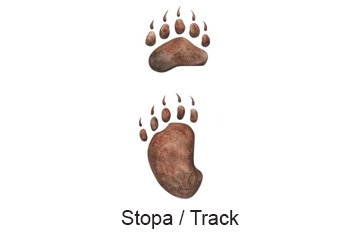
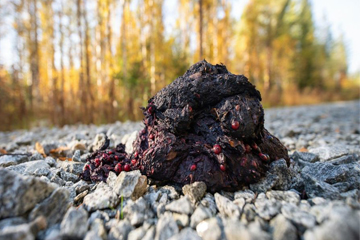

Je druh cicavca z čeľade medveďovitých,
Medveď hnedý je pohlavne dimorfný. Dospelý samec býva až o 30 % väčší ako samica, ktorá má hlavu v pomere k telu menšiu a plochejšiu.
Je naším najväčším mäsožravcom a môže dosiahnuť hmotnosť vyše 300 kg. Napriek systematickému zaradeniu je typický všežravec. Naraz spotrebuje až 12 kg potravy, ktorou sú jahňady, púčiky, lyko ihličnatých stromov, neskôr žerie hmyz, mravce, med divých včiel, mäkkýše, drobné stavovce, vie chytať ryby, oberá maliny, jarabinu, drienky a ostatné lesné plody, spása kukuricu v mliečnej zrelosti a požiera i plody ovocných stromov, zdochliny. Za potravou sa túla aj do vzdialenosti 30 km.
Na vrchole jesenného hodovania dokáže denne skonzumovať až 40 kg potravy.
Zimu prečkáva v brlohu a hibernuje.
Medveď je aktívny vo dne i v noci. Dokáže dobre a vytrvalo plávať. Keď medveď útočí, dokáže vyvinúť na krátku vzdialenosť veľkú rýchlosť. Medvieďatá dobre šplhajú. Väčšinu roka žije samotársky, zimu prespáva v upravenom brlohu od napadnutia snehu do marca až apríla.
Rodí jedno až tri mláďatá s hmotnosťou asi 0,5 kg, o ktoré sa stará samica 2,5 až 4 roky. Sú slepé a oči sa im otvoria až po mesiaci.
Medveď hnedý sa dožíva 25 až 30 rokov, zriedka aj viac.
Brown bear (Ursus arctos)
The brown bear is a mammal belonging to the bear family (Ursidae). It is a sexually dimorphic species adult males are up to 30% larger than females, which have a relatively smaller and flatter head compared to their body.
It is the largest carnivore in our region and can reach a weight of over 300 kg. Despite being classified as a carnivore, it is a typical omnivore. In one feeding it can consume up to 12 kg of food. Its diet includes catkins, buds, bark of coniferous trees, insects, ants, wild bee honey, molluscs, small vertebrates, fish, berries (such as raspberries, rowan, and cornelian cherries), other forest fruits, maize in the milk stage, fruits from orchards, and carrion. In search of food, it can roam distances of up to 30 km.
At the peak of autumn feeding, it can eat as much as 40 kg of food per day. During winter, it stays in a den and hibernates.
The bear is active both during the day and at night. It is a strong and persistent swimmer and can reach high speeds over short distances when attacking. Bear cubs are good climbers. For most of the year, the brown bear lives solitarily, spending the winter in a prepared den from the first snowfall until March or April.
Females give birth to one to three cubs weighing about 0.5 kg. The cubs are born blind and open their eyes after about one month. The mother takes care of them for 2.5 to 4 years. The brown bear usually lives 25 to 30 years, rarely longer.